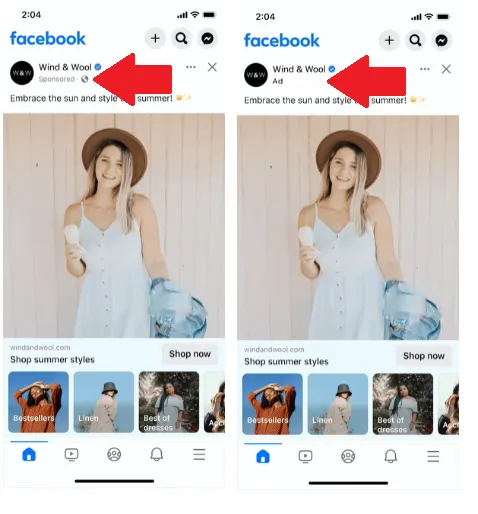
Meta is updating how ads are labeled on Facebook and Instagram, replacing the familiar “Sponsored” tag with a smaller “Ad” label across in‑stream placements. Below is a polished article you can publish on Digital Naseeb, with natural spots for internal links and external backlinks.
Meta’s New “Ad” Label: What It Means For Advertisers And Users
Meta has started rolling out a quiet but important change to how ads appear in Facebook and Instagram feeds: the traditional “Sponsored” label is being replaced with a compact “Ad” tag. This update is part of a broader visual refresh of Meta’s apps, but it could also influence how people perceive ads and how campaigns perform over the coming months.
For marketers and business owners who rely on Meta Ads, understanding this shift is crucial to stay compliant, optimize creatives, and protect user trust. In this article, we’ll break down what’s changing, why it matters, and how you can adjust your strategy accordingly.
What Exactly Is Meta Changing?
On Instagram, many users are already seeing the new “Ad” label where they used to see “Sponsored” under paid posts. The same update is now being tested on Facebook at a smaller scale, with a broader rollout expected in the coming weeks.
Key points to note:
-
“Sponsored” is being replaced by a shorter “Ad” tag in feeds.
-
The new label is visually smaller and less prominent than the previous disclosure.
-
Meta says the goal is to keep ad transparency while offering a “cleaner, simpler experience” in the apps.
According to Meta’s statement to Social Media Today, the company claims it is maintaining its commitment to transparency, even with the more minimal label treatment.
Why This Matters For Transparency And Regulation
Because the new “Ad” label is smaller and easier to miss while scrolling, it raises questions about how clearly users can distinguish paid content from organic posts. That’s exactly the type of change that regulators—especially in regions like the EU—are watching closely.
Here’s why regulators may scrutinize this update:
-
A less obvious label might blur the line between ads and organic content in fast-scrolling environments.
-
Transparency requirements in markets like the EU are getting stricter, particularly around dark patterns and covert advertising.
-
Any perception that Meta is “hiding” ads could lead to pressure for clearer disclosures or even design changes.
For brands, this means you should not rely solely on the tiny “Ad” badge to carry the burden of disclosure. Clear messaging, brand cues, and honest creatives remain essential for long‑term trust.
How The New Label Could Affect Ad Performance
While the label change is simple on the surface, it may have a real impact on how users interact with your ads. If the “Ad” tag is less noticeable, more people might initially treat your content like a regular post, at least for a second or two.
Potential performance implications:
-
Higher initial engagement: Users may scroll past the “Ad” tag and focus more on the creative before realizing it’s sponsored content.
-
Creative pressure: Ads that look overly “salesy” might still get ignored, but native‑style, authentic creatives could benefit from the subtler label.
-
Testing opportunities: This is a great moment to A/B test different formats, hooks, and visual styles to see if performance lifts under the new labeling system.
However, any short‑term gains must be balanced with ethical advertising. If brands intentionally try to trick users into thinking an ad is organic, they risk complaints, negative feedback, and stricter platform enforcement in the future.
Strategic Tips For Advertisers On Meta
To adapt to Meta’s new ad transparency labels, advertisers should refine both creative and strategy, not just rely on the UI change.
Practical steps you can take:
-
Design ads that feel native but honest
Use formats and storytelling that match the platform (Reels, carousels, UGC‑style videos), while keeping your value proposition clear and truthful. -
Double‑down on high‑quality creatives
Strong visuals, clear headlines, and a compelling hook in the first seconds of a Reel or video ad are more important than ever when labels become less prominent. -
Watch your metrics closely in the next 4–8 weeks
Monitor CTR, CPC, CPM, hold time, and scroll depth for campaigns on Facebook and Instagram feeds. Look for subtle shifts that might correlate with the rollout of the new label. -
Keep compliance and trust at the center
Even if users notice the ad label less, regulators and Meta’s policy teams are moving in the opposite direction: toward more transparency and stricter enforcement. Build campaigns that would still be compliant even if labeling rules become tougher tomorrow. -
Communicate clearly with clients and stakeholders
If you manage ads for clients, brief them on the label change, possible performance shifts, and your testing plan. This sets realistic expectations and positions you as a proactive partner.
How This Fits Into The Bigger Social Media Ad Landscape
Meta isn’t the only platform evolving its ad transparency approach. Other networks are introducing or refining built‑in “Paid Partnership” and sponsorship labels to meet regulatory standards and build user trust. These moves show a clear trend: disclosures are becoming more standardized and platform‑level, rather than being left to creators’ captions or manual hashtags.
For brands and marketers, the takeaway is simple: platform‑driven labels will keep changing, but the fundamentals of ethical and effective advertising remain the same—be transparent, respect user attention, and deliver real value through your content.